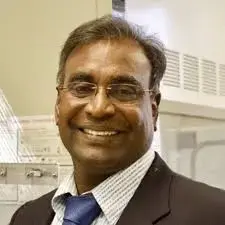
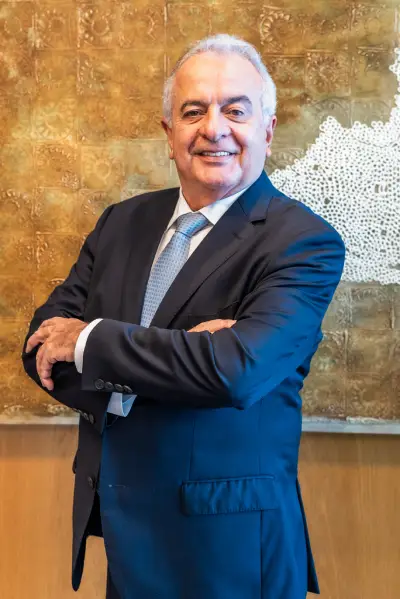
The International Research Advisory Board (IRAB) has been constituted of our commitment to internationalization as per university rules and regulations. The IRAB is composed of seasoned professionals who have outstanding professional, scientific, and academic/industrial credentials and reputations. Its purpose is to be a bridge between the international scientific community and International Education Research and Innovations and to support the university in :
Prof. Jorge Kalil is a distinguished physician-scientist and academic leader of Clinical Immunology and Allergy. He currently serves as Director of the Immunology Laboratory at the Heart Institute (HC), São Paulo, Brazil, and Director of Hospital das Clínicas (HC), Faculty of Medicine, University of São Paulo (FMUSP). He is also working in his capacity as Adjunct Professor at the GWU, USA; Coordinator, iii-Institute for Investigative Immunology; Former Director, Butantan Institute; Past President, International Union of Immunological Societies. He was Visiting Professor, Stanford School of Medicine, and International Scholar, Howard Hughes Medical Institute. He studies the mechanisms of immune recognition and distinction of self and no self, with over 550 publications (ISI) and several patents. He is member of the Brazilian Academy of Sciences, Grand Cross of the Brazilian National Order of Scientific Merit, Chevalier of the National Order of Merit of France, Doctor Honoris causa by Sorbonne Universités and Fellow of the Royal College of Physicians. He represents Brazil in the ICGEB.
Prof. Kalil is internationally recognized for his contributions to clinical and translational immunology, with particular emphasis on immune mechanisms in cardiovascular diseases, inflammation, and immune-mediated disorders. His work has significantly advanced the understanding of immunopathology and its application to diagnosis and therapeutic strategies.
Fernando Albericio is a Research Professor at the University of KwaZulu-Natal (South is a Research Professor at the University of KwaZulu-Natal (South Africa) and Emeritus Professor of Organic Chemistry at the University of Barcelona (Spain) with 50 years of experience in peptide chemistry. He is also an A-rated researcher by the National Research Foundation (NRF) of South Africa. His major research interests cover practically all aspects of peptide synthetic methodology as well as the synthesis of peptides and small molecules with therapeutic activities (cancer and infectious diseases). Lastly, he was working on greening the solid-phase peptide synthesis processes. He has published more than 1100 scientific articles, filed more than 60 patents, and graduated more than 80 Ph.D. students. He was recently awarded the 2025 Chemistry Today Lifetime Achievement Award (Teknoscience, Italy), the 2024 Rudinger Award (European Peptide Society), the 2024 Meienhofer Award (Boulder Peptide Foundation), the 2024 Lifetime Achievement Award (European Peptide Synthesis Conference), the 2022 Gold Medal [South Africa Chemistry Institute (SACI)],.and the 2019 Goodman Award (American Peptide Society).
His research covers all aspects of peptide synthesis, including the design and optimization of resins and coupling reagents, and protecting groups. During recent years, his research has channeled great efforts into developing greener strategies for SPPS.
Dr. Cartin Moore is a Reader in Global Health and Infectious Diseases, funded by the Wellcome Trust and Fleming Fund. She works in a multi-disciplinary team and has a deep interest in drug-resistant infections, with a particular focus on data-driven interventions to reduce the burden of antibiotic resistance. Her work emphasizes antimicrobial resistance (AMR) in community settings.
She is actively involved in global and regional dialogues addressing the increasing challenge of AMR and the misuse of antibiotics worldwide, particularly in low- and middle-income countries. Dr. Moore is a member of the World Health Organization advisory group on Critically Important Antimicrobials for Human Medicine, co-chair of the Impact and Influence Committee, and a mentor for Fleming Fund Fellows based in Eswatini. She is currently co-leading the “Knocking Out AMR” initiative, which aims to identify and prioritize solutions to minimize the spread and burden of AMR.
Dr. Moore joined the Big Data Institute in May 2018, where she led the Global Research on AntiMicrobial Resistance (GRAM) project. In collaboration with the Institute for Health Metrics and Evaluation (IHME) in Seattle and the Centre for Tropical Medicine at Oxford, she analyzed global datasets to produce health metrics and geospatial maps related to AMR. This work resulted in the first landmark publication estimating the global burden of AMR, published in The Lancet in January 2022.
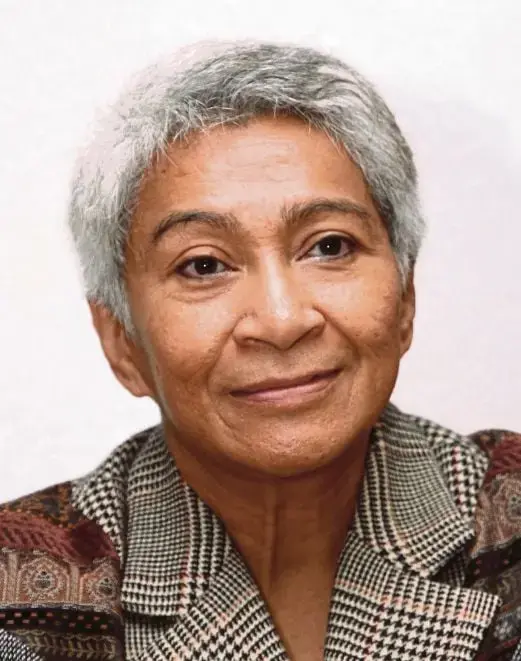
Prof. Mazlan Othman was educated in Malaysia and received her PhD in Astrophysics from the University of Otago, New Zealand. After returning to Malaysia in 1981, she pioneered the academic programme in astrophysics at the National University of Malaysia, where she was appointed Professor of Astrophysics in 1994. In 1990, she was seconded to the Prime Minister’s Department to lead the establishment of the National Planetarium under the Space Science Studies Division. As its first Director-General, she also oversaw the design and manufacture of Malaysia’s first remote-sensing satellite, TiungSAT-1, launched in 2000. In 1999, Prof. Othman was appointed Director of the United Nations Office for Outer Space Affairs (UNOOSA). She later returned to Malaysia to establish the National Space Agency (ANGKASA) as its founding Director-General. In this role, she established the National Space Centre, founded the Langkawi National Observatory, and initiated the programme that placed the world’s first remote-sensing satellite in near-equatorial orbit. She also spearheaded the Angkasawan Programme, which saw the launch of the first Malaysian astronaut to the International Space Station in 2007.
She is currently the Project Director of Mega Science 3.0 at the Academy of Sciences Malaysia. This initiative examines global megatrends up to 2050 and focuses on positioning Malaysia strategically for future scientific and technological challenges. Prof. Othman is a fellow of multiple national and international professional bodies and has received numerous prestigious awards.
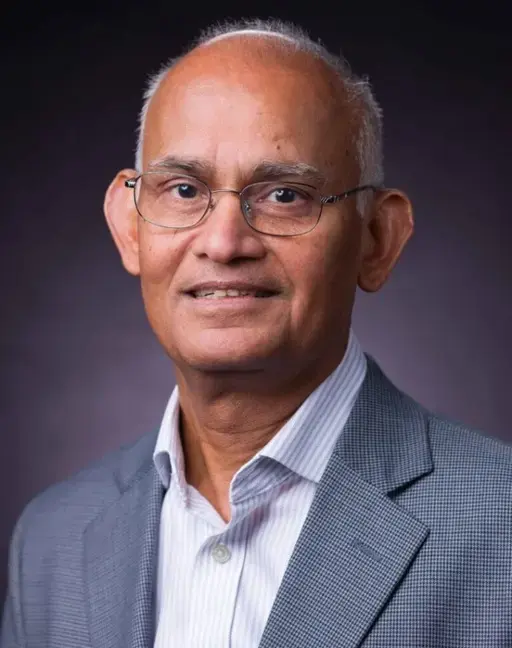
Prof. Rajadas is a scientist at the Advanced Drug Delivery and Regenerative Biomaterials Laboratory, Stanford University School of Medicine. His research focuses on the molecular mechanisms of neurodegenerative disorders caused by aggregated tau and abeta proteins—proteins that work synergistically in the development of Alzheimer’s disease. Using biophysical approaches such as AFM, fluorescence, and NMR, he investigates the structural details of the neurotoxic oligomeric forms of these proteins. He also serves as the Director of the Advanced Drug Delivery and Regenerative Biomaterials Laboratory at Stanford University, where translational research transforms biophysical concepts into biomaterial and drug delivery technologies. These innovations include microencapsulation of drugs, vascular grafts, bio-implants, development of small molecule and protein-based drugs, nerve and cardiovascular tissue regeneration, and wound-healing applications. Before joining Stanford, he was the founding Chair of the Bio-organic and Neurochemistry Division at the Central Leather Research Institute (CLRI) in Chennai, India, where he managed and organized the scientific development of the division.
Prof. Rajadas is actively involved in collaborative research and plays a key role in mentoring students and early-career researchers. Through his scientific leadership and sustained contributions, he continues to advance the understanding of tau-driven neurodegeneration and support innovative therapeutic strategies for neurodegenerative diseases.
Dr. Jasmina Vidic is a France-based research scientist and Co-head of the MicrobAdapt team at the Micalis Institute, a joint research unit of Université Paris-Saclay, INRAE, and AgroParisTech. Her work focuses on advanced microbiology with applications in biosensing, food safety, microbial adaptation, and nanobiotechnology. She earned her Ph.D. in Physical Chemistry from the University of Belgrade (1999), followed by a Habilitation à Diriger des Recherches (HDR) in Biophysics from Université Paris 7 (2010).
Dr. Vidic has extensive expertise in biosensor design and microbial detection technologies, integrating physical chemistry, biophysics, and microbiology. Her research includes the development and optimization of surface plasmon resonance (SPR) immunosensors, electrochemical biosensors using DNA probes, aptamers, and antibodies for detecting viruses and bacteria.
She has led and contributed to major national and international research initiatives, including ANR-funded projects (SIENA, ELISE), European programmes such as H2020 IPANEMA, bilateral collaborations (Campus France), and innovation programmes like Poc in Labs (“SporeAlert”, “OSCAR”). She is the author or co-author of more than 150 peer-reviewed scientific publications and several patents.
Through her scientific leadership and continuous research contributions, Dr. Vidic plays a major role in advancing biosensing technologies, food microbiology, and nanobiotechnology, significantly impacting both academic research and practical applications in public health and safety.
Prof. Rui Seabra Ferreira Jr. is a distinguished scientist and academic leader in the field of toxinology and venom research. He currently serves as Director of the Center for the Study of Venoms and Venomous Animals in Brazil, where he leads nationally and internationally recognized research programs on venoms, venomous organisms, and their biomedical applications. His research focuses on the biochemical, molecular, and pharmacological characterization of animal venoms, with particular emphasis on understanding toxin structure–function relationships and their effects on human physiology. His work significantly contributes to the development of novel therapeutic agents, antivenoms, diagnostic tools, and improved clinical management of envenomation. Under his leadership, the Center has advanced interdisciplinary research integrating toxinology, molecular biology, pharmacology, and translational medicine. The institution also plays a crucial role in public health, biodiversity conservation, and education related to venomous animals. Prof. Ferreira Jr. has authored numerous peer-reviewed publications and collaborates extensively with national and international research institutions.
Alongside his scientific achievements, Prof. Ferreira Jr. is deeply committed to mentorship and training, supporting the growth of students and early-career researchers in toxinology and biomedical sciences. His contributions continue to strengthen Brazil’s global leadership in venom research and its translation into medical and public health advancements.
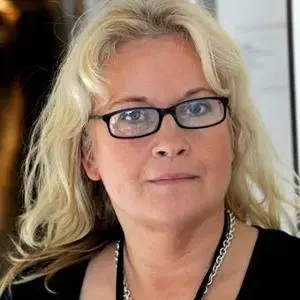
Prof. Marie Larsson is an accomplished academic and research leader in biomedical sciences and currently serves as Head of Division at the Department of Biomedical and Clinical Sciences (BKV), Linköping University, Sweden. She is widely recognized for her contributions to clinical and translational biomedical research, with a strong focus on integrating fundamental biological mechanisms with clinical applications. Prof. Larsson’s research spans key areas of immunology, infection biology, and host–pathogen interactions, addressing critical questions relevant to human health and disease. Her work emphasizes mechanistic insights into immune regulation and disease pathogenesis, with the objective of improving diagnostic and therapeutic strategies. As Head of Division, she plays a central role in academic leadership, research strategy, and capacity building, fostering interdisciplinary collaboration across basic science and clinical departments. She is actively involved in mentoring undergraduate, postgraduate, and doctoral students, and in strengthening international research collaborations.
Prof. Larsson has authored numerous peer-reviewed scientific publications and participates in national and international research networks. Through her combined roles as researcher, mentor, and academic administrator, she continues to advance biomedical and clinical sciences at Linköping University and contributes significantly to global biomedical research efforts.
Prof. Chia-Rui Shen is a distinguished academic and researcher at the College of Medicine, Chang Gung University, Taiwan. She is a Professor in the field of Medical Biotechnology and Laboratory Science, with extensive experience in biomedical education, research, and academic leadership. Her research expertise lies primarily in immunology, immunoregulation, vaccine development, gene therapy, and molecular biotechnology, with a strong focus on translational medical research. Prof. Shen’s work contributes significantly to advancing immune-based therapies and modern diagnostic approaches.
Prof. Shen is actively involved in teaching undergraduate and postgraduate medical and biomedical students, mentoring young researchers, and supervising doctoral and master’s research projects. In addition to her academic role, she has held important administrative and leadership positions within Chang Gung University, supporting curriculum development and research advancement. Through her scholarly publications, research collaborations, and academic service, she has earned recognition both nationally and internationally for her contributions to medical science and biotechnology.
Dr. Ahmed Abd El Wahed received his PhD in Biology from Göttingen University, Germany, in 2011. He is currently the Lab Head at the Institute of Animal Hygiene and Veterinary Public Health, Leipzig University, Germany. He is an active member of the German Society for Tropical Medicine, Travel Medicine and Global Health (DTG, e.V.) and the American Society of Tropical Medicine and Hygiene (ASTMH). He is also one of the founders of the Young Researchers in Medical Infectious Diseases Network (Netzwerk Junge Infektionsmedizin) and the African Society for Paratuberculosis. His research focuses on rapid diagnostics, mobile laboratory systems, and infectious disease surveillance, with particular emphasis on viruses, bacteria, and parasites in low-resource settings. Dr. Abd El Wahed has played a pioneering role in developing mobile and suitcase-based laboratory platforms that enable fast and reliable pathogen detection during outbreaks.
He has made significant contributions to global health through the development of portable diagnostic tools. He received the ASTMH Young Investigator Award in recognition of his work in establishing a mobile laboratory for the rapid detection of haemorrhagic fever viruses in low-resource settings. He has also designed and deployed mobile suitcase laboratories for the detection of viruses, bacteria, and parasites. These innovative systems have been successfully implemented across numerous African and Asian countries, strengthening outbreak response and infectious disease control capabilities worldwide.
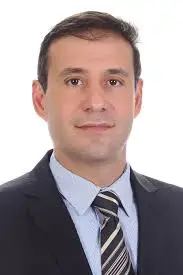
Arun K. Somani is the Anson Marston Distinguished Professor, Philip and Virginia Sproul Professor of Electrical and Computer Engineering, and Senior Associate Dean for the College of Engineering at Iowa State University. Previously, he served as Professor of Computer Engineering at the University of Washington, Seattle, and as a Senior Scientist Officer at the Department of Electronics, Government of India, New Delhi. He received his MS and PhD degrees from McGill University, Montreal, Canada, in 1983 and 1985, respectively.

His research interests span scalable, dependable, high-performance computing; high-speed networking systems; optical fiber networks; critical infrastructure protection; image-based navigation; and neural network architecture design. He has published over 450 technical papers, holds 12 patents, and has supervised more than 125 graduate students. He has delivered multiple tutorials, keynotes, and invited talks worldwide. Prof. Somani has been honored as an IEEE Life Fellow, ACM Distinguished Engineer, AAAS Fellow, Eminent Engineer of Tau Beta Pi, Canadian Commonwealth Scholarship recipient, and Distinguished Alumnus of Birla Institute of Technology and Science, Pilani, India.
Professor Mark Lee is the Deputy Pro-Vice-Chancellor (India) at the University of Birmingham and leads all activity for the University in India including research collaborations, strategic partnerships with academia, government and industry and student and staff mobility. In terms of his personal research profile, Professor Mark Lee is a professor of artificial intelligence in the School of Computer Science. His research interests are focused on Natural Language Processing. He is specifically interested better understanding what kinds of knowledge are captured by Large Language Models and their application to problems in psychology and forensic linguistics. His research has been funded by the Home Office, RCUK, European Union and various industries.
Dr. Detlef Briesen has his Higher education and science advisors and managers in various countries in South East Asia, especially Vietnam.
Research focus: Contemporary history and political sociology after 1945.
Doctorate in Cologne, habilitation in Siegen, since 2009 university lecturer in Gießen.
Honorary doctorate from the Thai Nguyen University of Business Administration.
Many years of experience as a university teacher in Germany, especially at the universities of Cologne, Siegen and Gießen and the Archivschule Marburg.
Numerous teaching and research stays abroad, including in the USA, India and various countries in South East Asia.
Management of various research projects, e.g. for Stiftung Volkswagenwerk, DFG, ZIM, EU, DAAD, Staatskanzlei NRW, Konrad-Adenauer Stiftung, Hanns-Seidel Stiftung.
About 100 publications in German, English, French and Vietnamese.
Dr. Kahru is a research professor and a leading scientist of National Institute of Chemical Physics and Biophysics in Estonia with extensive experience in environmental health, ecotoxicology, and chemical risk assessment. Her research focuses on evaluating the impacts of chemical substances, including emerging contaminants and engineered nanomaterials, on aquatic and terrestrial ecosystems as well as human health. She has been instrumental in developing and validating innovative bioassays and high-throughput screening methods for toxicity testing, contributing significantly to international efforts aimed at improving chemical safety and sustainability.
Dr. Kahru has an extensive publication record, having authored and co-authored numerous peer-reviewed articles in leading scientific journals. According to Clarivate Analytic, WoS, she belongs to the top 1% most cited scientists worldwide in the area of Environment/Ecology and Pharmacology & Toxicology (Clarivate Analytics (2018, 2019).
She has contributed to advancing scientific understanding of nanoparticle toxicity, mechanisms of action of hazardous substances, and the development of alternative testing strategies. She has also participated in and led several national and international research projects funded by European Union.
In addition to her research achievements, Dr. Kahru has substantial experience in academic supervision and mentoring. She has supervised multiple PhD students and postdoctoral researchers, guiding their work in ecotoxicology, environmental chemistry, and nanotoxicology. Many of her former students have gone on to successful careers in academia and regulatory bodies.
Dr. Kahru has served on various editorial boards and expert panels. She is widely recognized for her interdisciplinary approach, leadership in research, and dedication to training the next generation of scientists.
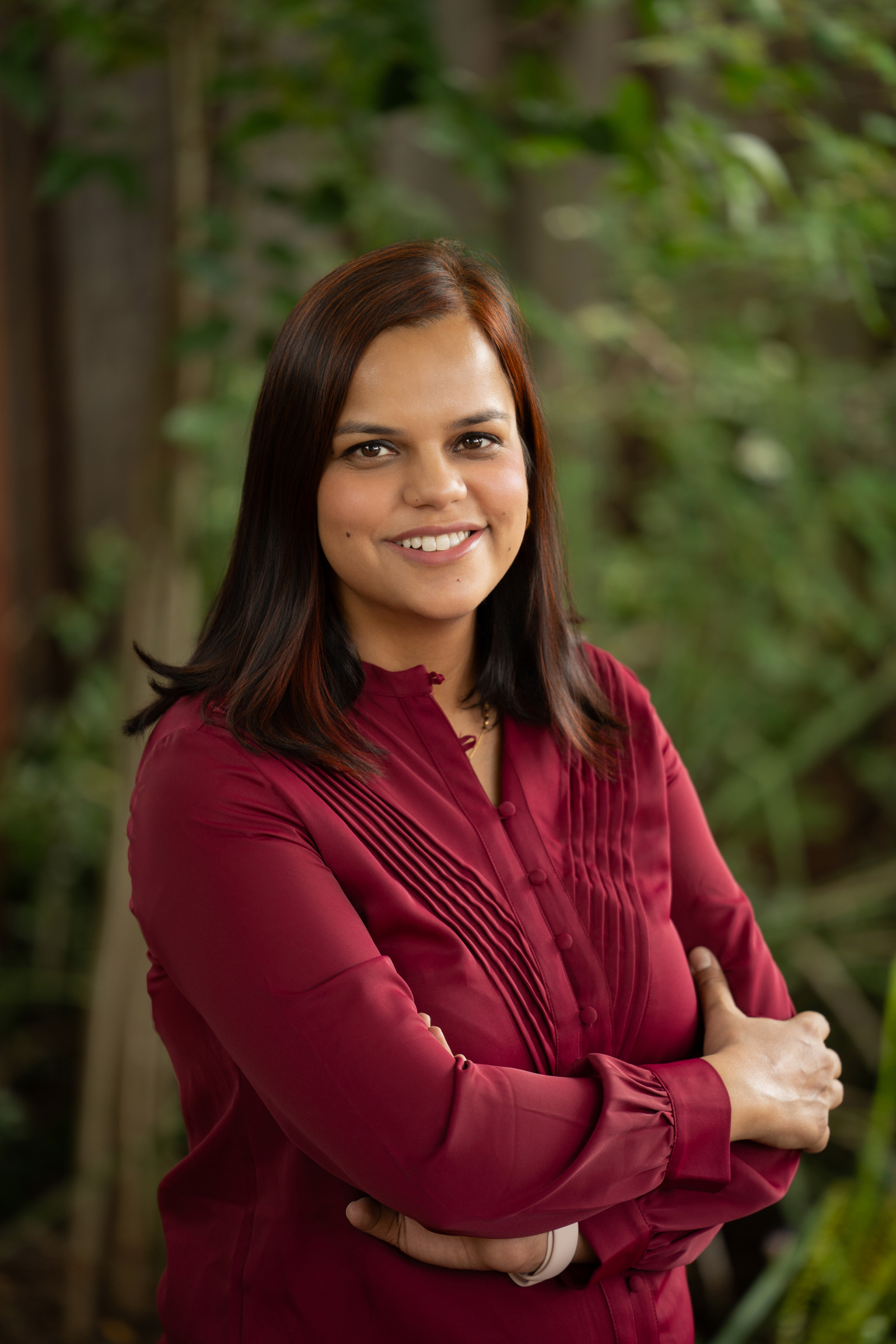
"Neha Chaturvedi is a Food Safety professional, who currently works at GU Energy Labs in Berkeley, California. She has 10+ years of experience in the consumer-packaged goods and dietary supplements industries. She specializes in building scalable food safety and quality systems that strengthen food regulatory compliance, reduce operational risk, and support growth in fast-paced manufacturing environments.
She has worked extensively with complex product categories including gummy vitamins and performance nutrition products, and has supported digital transformation initiatives in manufacturing through the implementation of real-time quality systems to improve operational visibility and cross-functional alignment.
Neha holds a Master’s degree in Food Safety and Technology from Illinois Tech, Chicago and is certified as a Preventive Controls Qualified Individual (PCQI) and Project Management Professional (PMP). She is also an active member of the Institute of Food Technologists and the International Association for Food Protection, where she contributes as a reviewer and judge for research and industry programs."