School of Continuing Education at DYPIU, Akurdi, Pune was established in 2023 with a vision to create an advanced learning ecosystem that bridges academic excellence and industry relevance. The school offers specialized programs designed for working professionals from leading automotive and allied industries, enabling them to upgrade their knowledge and skills while continuing their professional careers.
Read More
To empower working professionals to upskill in Smart Manufacturing and Electric Vehicle technologies as per industry requirements without a career break through strong industry-academia collaboration, nurturing entrepreneurship, and sustainable transformation in the manufacturing and mobility sectors.


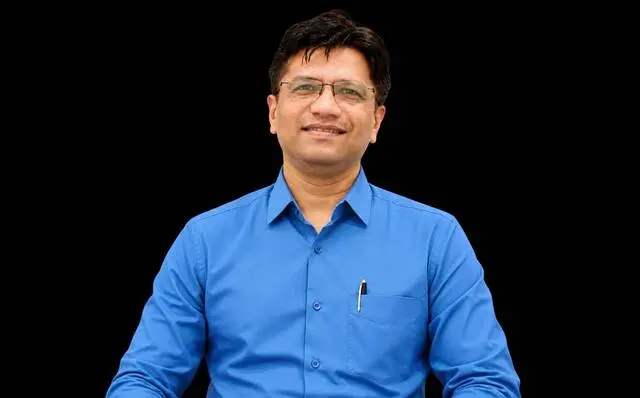
 Associate Director, School
of Continuing Education
Associate Director, School
of Continuing Education  swapnil.bhurat@dypiu.ac.in
 https://scholar.google.com/citations?user=E1v7QRUAAAAJ&hl=en&oi=ao
"The future of engineering shouldn't ask you to hit pause on your present." Every shift you run, every production line you optimize, and every technical hurdle you overcome proves your dedication to the industry. But as Smart Manufacturing and Electric Vehicle technologies rapidly rewrite the rules of modern engineering, staying ahead requires new tools.
We built the School of Continuing Education so you never have to choose between your income and your future potential. Our work-integrated B. Tech and M. Tech programs fit seamlessly around your shifts, workload, and personal life. Here, your daily workplace becomes your testing ground. You will turn real plant-floor bottlenecks and e-mobility design challenges into accredited, high-impact research, guided directly by industry mentors and academic experts. Build on your real-world experience, master Industry 4.0, and step into technical leadership without leaving your career.
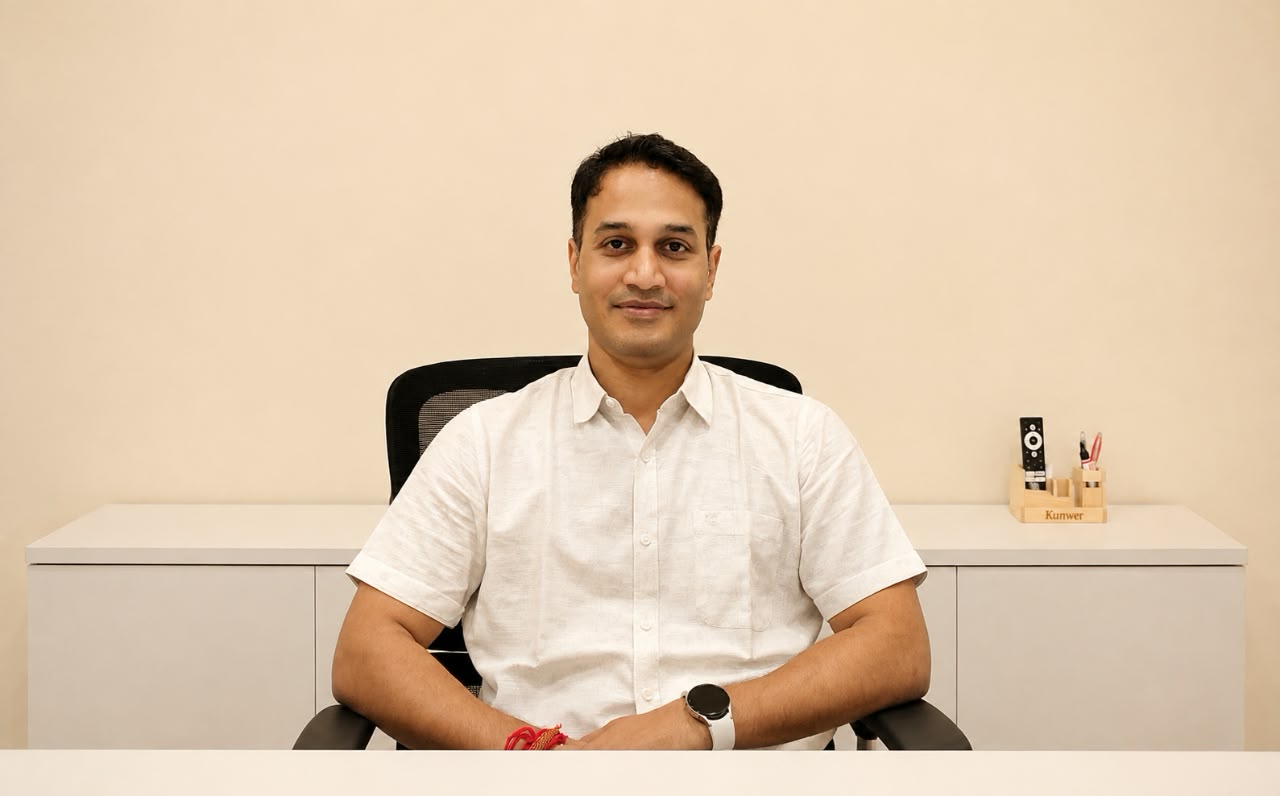
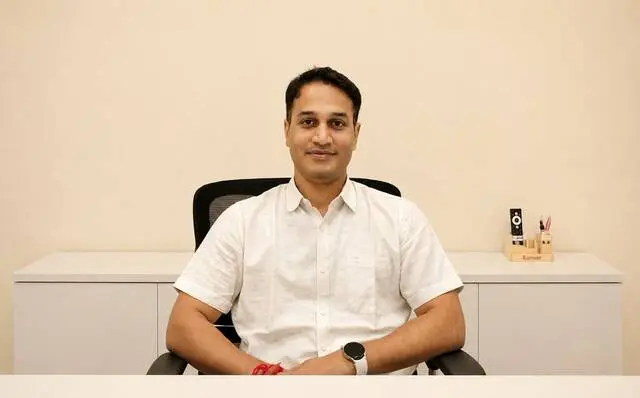 Head of the Department, School
of Continuing Education ram.kunwer@dypiu.ac.in
https://scholar.google.co.in/citations?user=YKm_OugAAAAJ&hl=en
Head of the Department, School
of Continuing Education ram.kunwer@dypiu.ac.in
https://scholar.google.co.in/citations?user=YKm_OugAAAAJ&hl=en




Coming Soon ....
No events or news available at the moment. Please check back later.
Coming Soon ....
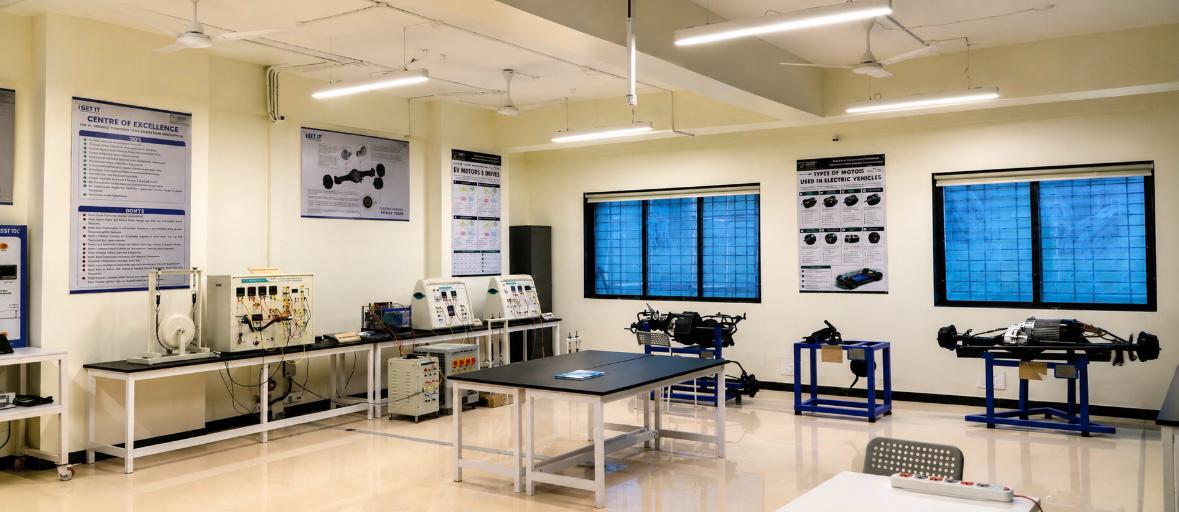
The Center of Excellence (CoE) – Electric Vehicle at DYPIU was inaugurated on 5th February 2026 by Dr. V. Narayanan, Chairman, Indian Space Research Organisation (ISRO). The CoE is established to promote EV research, innovation, hands-on learning, skill development, and industry collaboration.
The CoE is equipped with advanced facilities covering battery systems, electric motors and drives, power electronics, EV control systems, and vehicle-level powertrain technologies.
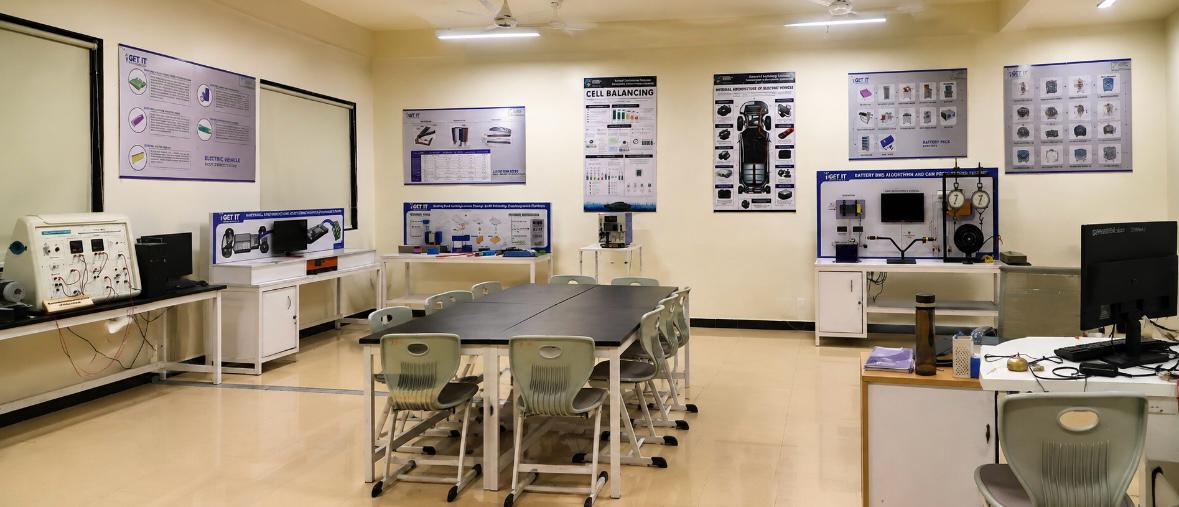
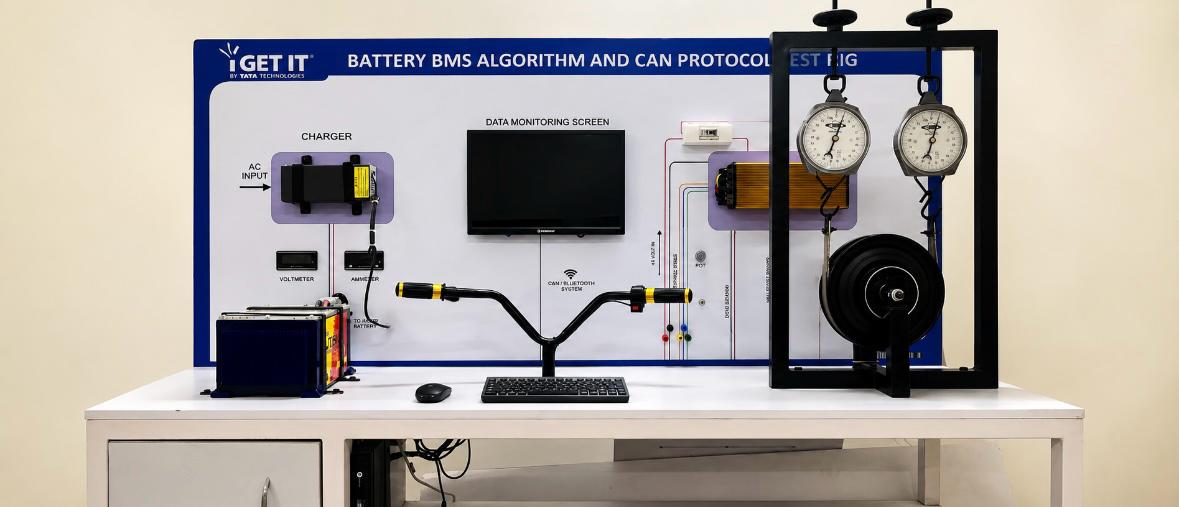
A dedicated Battery Pack Configuration & Prototype Development Platform provides hands-on experience in battery pack design, cell balancing, testing, and safety mechanisms. The CoE supports experiments and projects in motor control, battery characterization, BMS, CAN communication, regenerative braking, power electronics, EV powertrain optimization, and drive-cycle analysis. These facilities are integrated into the B.Tech and M.Tech curricula, providing students with practical exposure to emerging EV technologies while supporting advanced research, prototype development, and industry-oriented skill development.
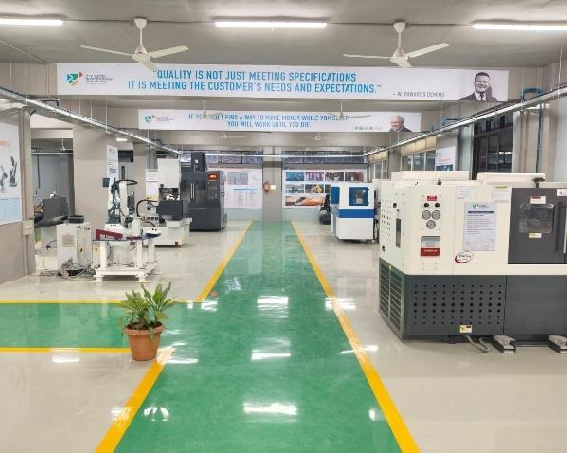
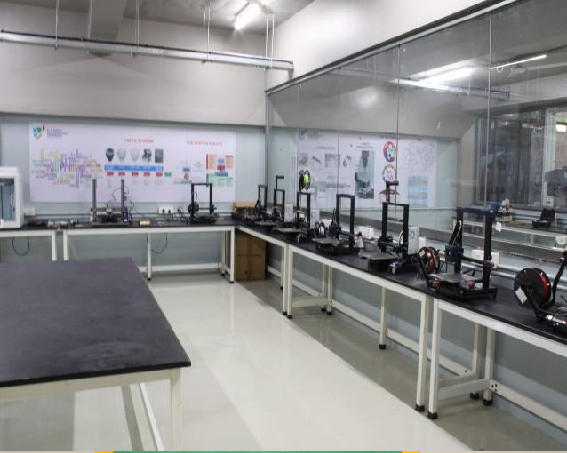
The Takshashala Laboratory is a well-equipped, state-of-the-art facility designed to provide students with practical experience in various manufacturing, machining, and measurement techniques. This lab caters to undergraduate engineering students, offering real-time training on conventional and advanced machinery, fostering a deeper understanding of mechanical processes, automation, and precision engineering.